A fencing is just one of those home projects people treat like a solitary choice, then live with for years. The message is set, the boards or rails increase, and instantly you recognize the real work begins after the install. Wind-driven rainfall locates the smallest voids. Freeze-thaw cycles work their means right into hardware. Sunshine cooks coatings until they either carry out or fail.
If you are purchasing the best fencing contractors, the difference you wish to place is not simply cost. It is whether the crew plans for weather, products, and water drainage like they anticipate the fencing to last longer than a period. An excellent best fencing company designs the system around how water in fact goes on your residential or commercial property, not just how it searches in a pamphlet. The best fencing installers also comprehend that sturdiness originates from details that house owners hardly ever see, like post depth, fastener choice, space spacing, and just how the bottom edge is protected from rot.
Below are the weatherproofing and toughness suggestions I make use of when examining bids or repairing a fencing that is already revealing issues. I'll additionally flag compromises you need to anticipate, because "optimal resilience" is not always "optimal convenience" or "least expensive price."
Start with the reality of your environment and your site
Two surround the very same city can mature extremely differently. The fence that encounters open direct exposure obtains more wind stress and more rain invasion. The fence that sits at the low point of a lot takes longer to dry out after tornados. Also along the same property line, you can get microclimates: sunlight versus shade, incline versus level ground, tree cover that produces constant dampness.
When contractors talk about longevity, I try to find them to ask inquiries like these:
- Where will certainly runoff flow during hefty rain? Does the fence line sit near sprinkler overspray or irrigation zones? Is there a lot of freeze-thaw, or do you primarily manage warm and sun? How high is the fencing, and will wind tons be a factor? Are there sprinklers, downspouts, or yard grades that channel water at the posts?
A crew that avoids website analysis generally replaces it with generic suggestions. That can still work for a short time, but it is just how you end up with warped panels, shaky rails, and messages that soften at the soil line.
Materials issue, yet the installation system matters more
People usually pick wood, vinyl, light weight aluminum, or composite and stop there. In technique, your weatherproofing end result is linked to the entire assembly, including the "dull" items: how the articles are set, what touches what, and just how air flows around surfaces.
Wood: long lasting when it can breathe and drain
Wood can last a long period of time, however only when water is handled. The most significant adversary is typically not emerge wetness from a rainstorm, it is consistent wetness at the base of messages, in trapped user interfaces, and around fasteners.
In my experience, the wood fencings that hold up best tend to have:
- Treated lumber appropriate for ground call where needed Fasteners that do not rust quickly A layout that stays clear of boards resting level against standing water A finish or tarnish system that is compatible with the timber and kept on a practical schedule
Pressure-treated lumber is common, but you still need to match the therapy level to where the product lies. Articles that are established with inadequate drain can rot even when the "best" lumber is made use of, due to the fact that the wood remains wet longer than the therapy is created for.
A less evident concern is sealing. Numerous home owners over-seal thinking it will certainly lock out water. But if wetness is trapped behind a coating, it can increase cracking and peeling off. A fencing requires a plan for both water exposure and wetness release.
Vinyl and PVC: low maintenance, but not all "collection and fail to remember"
Vinyl is preferred because it does not rot and it withstands many pests. That said, durability is manual. Vinyl fencings award winning fence company can loosen, specifically if the service provider uses hardware that can not tolerate thermal activity or if the system is mounted in such a way that limits expansion and contraction.
If you are reviewing best fencing installers for vinyl, pay attention for a practical strategy to:
- Post spacing and rail alignment Manufacturer-recommended setup practices Correct equipment placement, so panels can move slightly without worrying the system Avoiding limited mounting that can lead to buckling under warmth swings
Vinyl likewise performs in different ways depending on shade. Darker tones can take in a lot more heat, and that can matter in areas with extreme sun. A trusted best fencing company ought to be able to discuss what line of product they are utilizing and why it fits your conditions.
Aluminum and steel: lengthy life when rust is managed upfront
Metal fencings typically last decades when rust is regulated. The two big chauffeurs are finish top quality and just how the fence is grounded at the base. If different steels get in touch with, you can obtain sped up rust at those junctions.
In rainy or seaside locations, I seek professionals who recognize:
- Proper covering systems and any type of warranty limits Hardware compatibility, such as fasteners that do not weaken the finish Post bases that protect against trapped dampness at connections
Metal fencings can also struggle with damage where lawn sprinklers hit or where particles remains loaded at the bottom rail. A durable install consists of a prepare for the real world, not just the first setup.
Post setup: the part that generally decides the fence's lifespan
If you wish to evaluate quality quick, concentrate on exactly how articles are installed. Weatherproofing is not just "what surface takes place the fencing," it is just how the articles withstand moving, rot, and water intrusion.
Good setup teams deal with post setting like foundation job. They respect:
- Depth relative to dirt kind and local frost conditions Soil preparation, such as condensing around the post Drainage and the avoidance of "water pockets" Straightness and positioning, since tension tons a fencing erratically when points are crooked
Concrete versus crushed rock and the drainage debate
Homeowners get stuck on whether concrete is "finest." Actually, both concrete and non-concrete approaches can function, but the details matter.
Concrete can maintain blog posts and help stand up to motion. It can additionally boost threat if it traps wetness at the message base in a manner that avoids drying. Non-concrete techniques like gravel backfill can improve drain, yet they still need proper compaction and stable soil.
A professional who reviews these choices attentively is worth more than one that deals with the procedure as a one-size formula. The most effective fencing contractors will clarify what they advise for your dirt, how the message base is secured, and what end result they are targeting.
Soil and incline changes everything
On an incline, fences encounter greater lateral tons and drainage patterns shift. The message closest to the reduced side frequently stays wetter much longer. That is where I see early failings. A good best fencing company will certainly intend post spacing and rail positioning for the terrain, and they will certainly not pretend that a fence line is perfectly level just because the string line looks good throughout install.
Rails, pickets, and spacing: tiny spaces make a huge difference
Water does not behave like a static photo. It diminishes surface areas, collects at edges, and wicks along fasteners and grain.
For many wood fences, spacing and airflow are essential. If boards are also limited or if style choices trap water against components, you obtain persistent moisture. That leads to bending, loosened rails, and coating failure.
Even with vinyl, air movement and clearance can matter for long-term security. Panels require area to move with temperature. Bed rails and blog posts require to be lined up to make sure that the system does not establish constant stress.
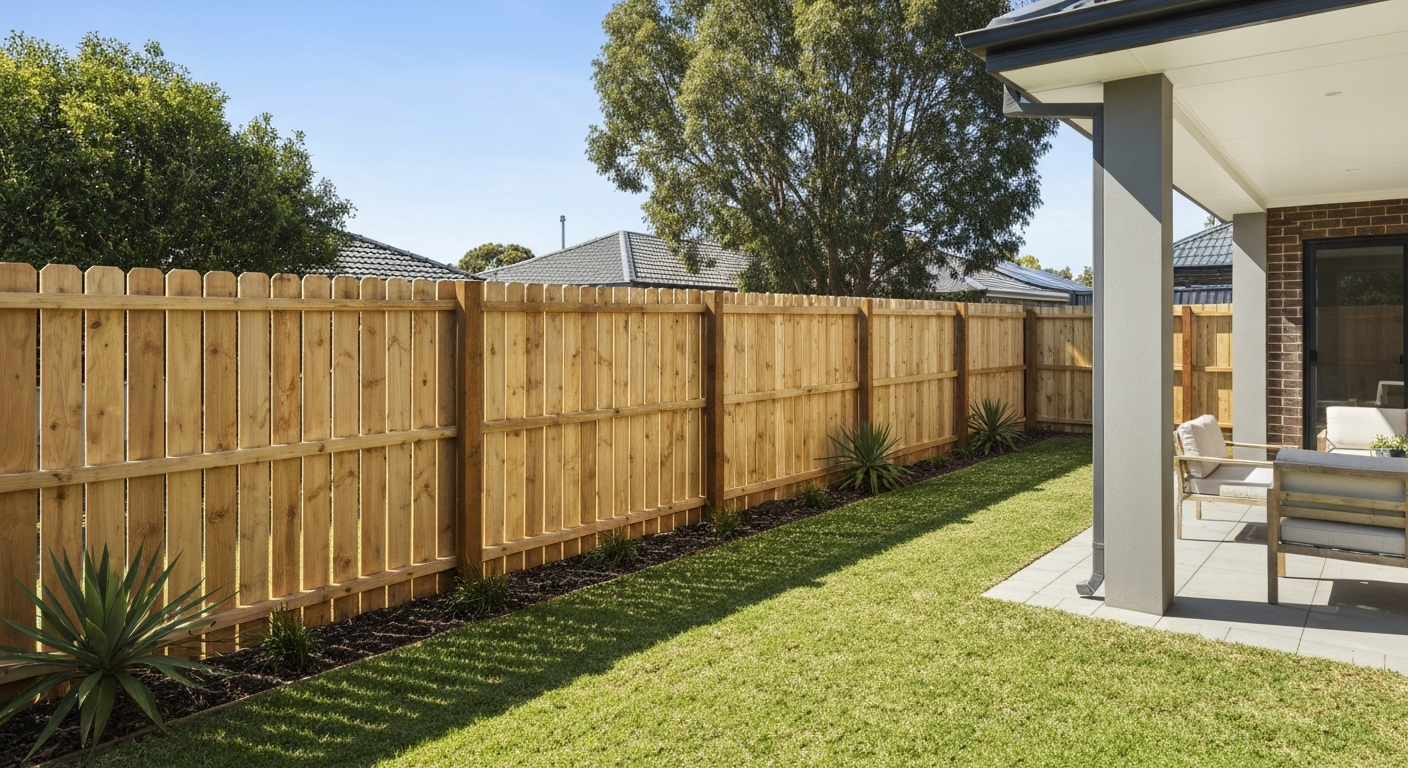
The best fencing installers take notice of:
- How picket edges straighten and drain How rails sit about posts, particularly on the windward side Whether the lower edge is as well close to dirt, which urges splash-back and decay Whether there are consistent view lines, since irregular spacing can show much deeper installation issues
Hardware selection: longevity lives in the fasteners
Fasteners are where "inexpensive" often shows up. In damp environments, corrosion at the bolt factor can spread. Once a board loosens even somewhat, wind-driven movement accelerates failing by worrying joints.
For timber, look for specialists who make use of corrosion-resistant fasteners appropriate to exterior direct exposure. Stainless steel, galvanized, or other treated corrosion-resistant alternatives can perform well, however you additionally want the specialist to understand where each type is used.
If the proposal is obscure on fasteners, that is a red flag. If they provide a clear response and can explain why, it usually reflects that they have actually installed similar surround comparable conditions and have actually discovered what works.
For steel fences, hardware compatibility matters also. Coatings scrape throughout setup, and rust starts at scrapes initially. A durable install shields those call points and uses suitable components so you do not develop a corrosive battery.
Finishes and sealers: safeguarding the wood without capturing problems
When it concerns weatherproofing, coatings are not all equivalent. A "tarnish" is not automatically much safer than a "paint," and an "outside coating" is not automatically durable if it is used incorrectly.
A few principles I comply with:
- Choose a coating designed for exterior exposure and the details timber type. Understand whether the item is indicated to permeate or continue to be on the surface. Plan for maintenance based on sunlight intensity and wetness patterns. Avoid paint or securing when the wood is not effectively treated and dry.
Wood fences usually need an upkeep rhythm. Some items last longer in shaded areas and stop working sooner in full sun. If a service provider guarantees "no upkeep," treat that as advertising, not engineering.
A practical means to review quotes is to ask what specific covering system they prepare to use and exactly how they will prep the surface area. The surface area prep frequently chooses the surface life greater than the product name.
Protecting fence sides and transitions
Most fence failings start at interfaces: where fencing meets soil, fencing fulfills wall surface, or fencing satisfies an entrance hinge area. Pay attention to these transitions.
Bottom edges are a frequent weak point. Splash-back from rain and sprinkler system down payments water and grit on the most affordable rails. If your fence line is near trimming sides or where lawn sprinklers run, durability relies on clearance and sprinkle management.
Gate equipment areas also deserve scrutiny. Gates move greater than panels, so the connection factors require to handle repetitive loading. A sturdy entrance system includes right message reinforcement where needed, correct joint positioning, and hardware ranked for exterior use.
Even the fencing blog posts at edges are entitled to additional focus. Corners take lateral loads, and if they are underbuilt or inadequately established, you obtain early helping to loosen that resembles "panel bending" from a range yet is truly an architectural concern at the posts.
The surprise enemy: water, not just moisture
People claim "keep it completely dry," however water behaves in different ways. A fence can be "completely dry a lot of the moment" yet still stop working quickly if it has a recurring water trap.
Examples I have seen during fixing visits:
- A fence line that sits behind a downspout and gets intermittent rises throughout storms A low place where water pools overnight and drains slowly with the article holes A vinyl panel system installed so tightly that thermal movement emphasizes joints and opens up microgaps where water collects Wood fencings with layers that trap dampness inside cracks, resulting in peeling off that appears like a surface problem however is in fact a moisture cycle problem
The best fencing contractors layout around those patterns, not just the very first moisten installment day.
Questions to ask prior to you authorize, because "trust me" is not a plan
A terrific professional will certainly invite in-depth inquiries. If they act irritated, you are about to spend for someone else's uncertainty.
Here are the inquiries I suggest when you are vetting a best fencing company or contrasting best fencing installers:
- What post-setting technique do you utilize for this dirt, and how do you take care of drainage around the blog post base? What fasteners and hardware kinds are included, and are they corrosion-rated for outside exposure? How do you prepare and complete timber surface areas, and what particular covering system do you apply? How do you make up fencing motion from wind and temperature, specifically for plastic or steel systems? What maintenance do you expect from the property owner, and what signs imply it is time to touch up or repair?
The solutions should be specific sufficient that you could create them down and contrast propositions later. Unclear responses are not always bad, but they normally indicate the specialist has not done enough repeat work in your conditions.
Weatherproofing deliberately: typical options with genuine trade-offs
Durable fencings generally consist of compromises. Here are a few I have actually overcome on tasks:
Wood versus plastic: aesthetics versus stability
Wood can look warmer https://techlivo.com/best-timber-paling-fencing-company-in-melbourne/ and match landscaping conveniently. It also responds better to certain personalization demands, like repairs that mix with existing boards.
Vinyl is more challenging to damage without influence, and it does not rot. But vinyl installment depends greatly on proper system alignment and equipment methods. A careless install that may "look fine" throughout the very first month can loosen up after heat cycles.
If you are selecting between them, weigh upkeep tolerance, environment, and how straight your fence line requires to be. Vinyl is not forgiving of installment errors.
Concrete posts versus non-concrete techniques: stability versus moisture management
Concrete can secure a fencing into area. Non-concrete solutions can enhance drying and decrease dampness capturing if set up well.
The trade-off is danger. With concrete, the threat is caught dampness at the blog post base. With non-concrete, the threat is motion in unpredictable dirts if compaction and drain are not dealt with well.
An excellent specialist will certainly advise based upon your site, not based on what they have always done.
Lattice and personal privacy panels: wind and airflow considerations
Privacy additions, latticework, and thick paneling can enhance wind lots on the fence system. That can worry rails and blog posts unless support is planned.
A resilient layout accounts for wind. If you request a strong look in an area with solid prevailing winds, you desire installers that plan rail and blog post spacing accordingly.
Maintenance that actually matters, not a "at some point" promise
Maintenance is where lots of property owners either prolong the life of a fence or silently shorten it. The goal is to catch problems early, when fixings are simple.
A fencing evaluation takes minutes when you do it routinely. I such as to check out a few things: loose boards, fastener corrosion, finishing fractures, and signs of water merging near posts.
Here is a short maintenance regimen that fits most domestic setups:
- After hefty storms, search for leaning posts, drooping rails, and gaps that have opened around hardware. In springtime, check timber fences for finish failing, especially near the lower rails and around bolt points. In top summertime heat, look for expanding vinyl or metal that may emphasize joints, after that validate nothing has loosened. In late autumn, clear fallen leaves and particles from the fencing line so water does not remain entraped at the base. Every period, see to it lawn sprinklers are not hitting the fence surface area or running directly into the article area.
The exact regularity may differ with your direct exposure. A fence in full sunlight and wind requires more interest than one in shade behind bushes. Yet the practice of monitoring is what prevents tiny problems from becoming costly replacements.
Repair signals you should not ignore
Even a well-installed fence can be impacted by vehicle damage, settlement, or unexpected climate events. When you notice the very early signs, act quickly. Repairs are dramatically more affordable when the structural issue is still localized.
Common early signals consist of:
- A single blog post leaning slightly, often connected to dirt washout or rot at the base Rails that become loose, which can start after equipment rust or duplicated wind stress Finish peeling on timber right around fasteners, an indication wetness is getting involved in the system Gaps that show up after freeze-thaw cycles, which suggests activity is worrying joints Gate misalignment, typically caused by post movement rather than joint problems alone
A long lasting fencing is one you change before it fails. That implies having a contractor you rely on for targeted fixings, not only new installs.
How to compare proposals like a pro
If you are obtaining several quotes, the lowest cost is not instantly the worst choice, however the most affordable price is often the least in-depth one. Compare proposals on the components that affect sturdiness, out the last line total alone.
Here's what to contrast carefully in your proposal papers:
- Included materials: wood quality, treatment degree, vinyl grade, steel finishing type Post depths, spacing, and establishing method Fastener and hardware specifications Prep and finish details, including surface area preparation and finishing system Gate support technique, if gates are included Warranty terms, especially what is covered and what causes denial
Two fences can look the same on the first day and age totally in a different way if one makes use of better equipment, better blog post setting, or a coating system that matches the wood and climate.
If you can not find these details in composing, ask for them. A specialist staff ought to have the ability to translate the process right into specifics.
Choosing the right service provider for weatherproof longevity
So what makes a service provider "the very best" when it concerns weatherproofing and durability?
It is usually a combination of 3 points: procedure discipline, product sincerity, and site-aware judgment.
- Process self-control: the crew discusses article setup, drainage, and hardware options clearly, and they follow up without shortcuts. Material honesty: they do not conceal behind broad terms like "cured lumber" or "external covering." They specify what is included and why. Site-aware judgment: they ask about drainage, dirt, sprinkler effect, and wind exposure, then adjust the strategy accordingly.
A service provider that strikes all three offers you the most effective chance of winding up with a fence that still looks solid years later. It likewise makes repairs faster when something does go wrong, because the installer recognizes the initial system.
Your following step: make weatherproofing part of the decision
If you are planning a new fencing or replacing an aging one, start by treating weatherproofing like a style requirement, not a perk. Ask the questions that disclose whether the contractor is thinking of water and motion. Confirm the blog post setup approach and hardware. Plan for maintenance from day one.
The best fencing contractors are not only proficient at building the fence, they are good at building the fence that survives.
If you are comparing alternatives, do not just ask that mounts fastest. Ask that installs with the climate in mind. That is the distinction in between a fence you admire today and one you do not be sorry for tomorrow.